



- Your cart is empty Browse Shop
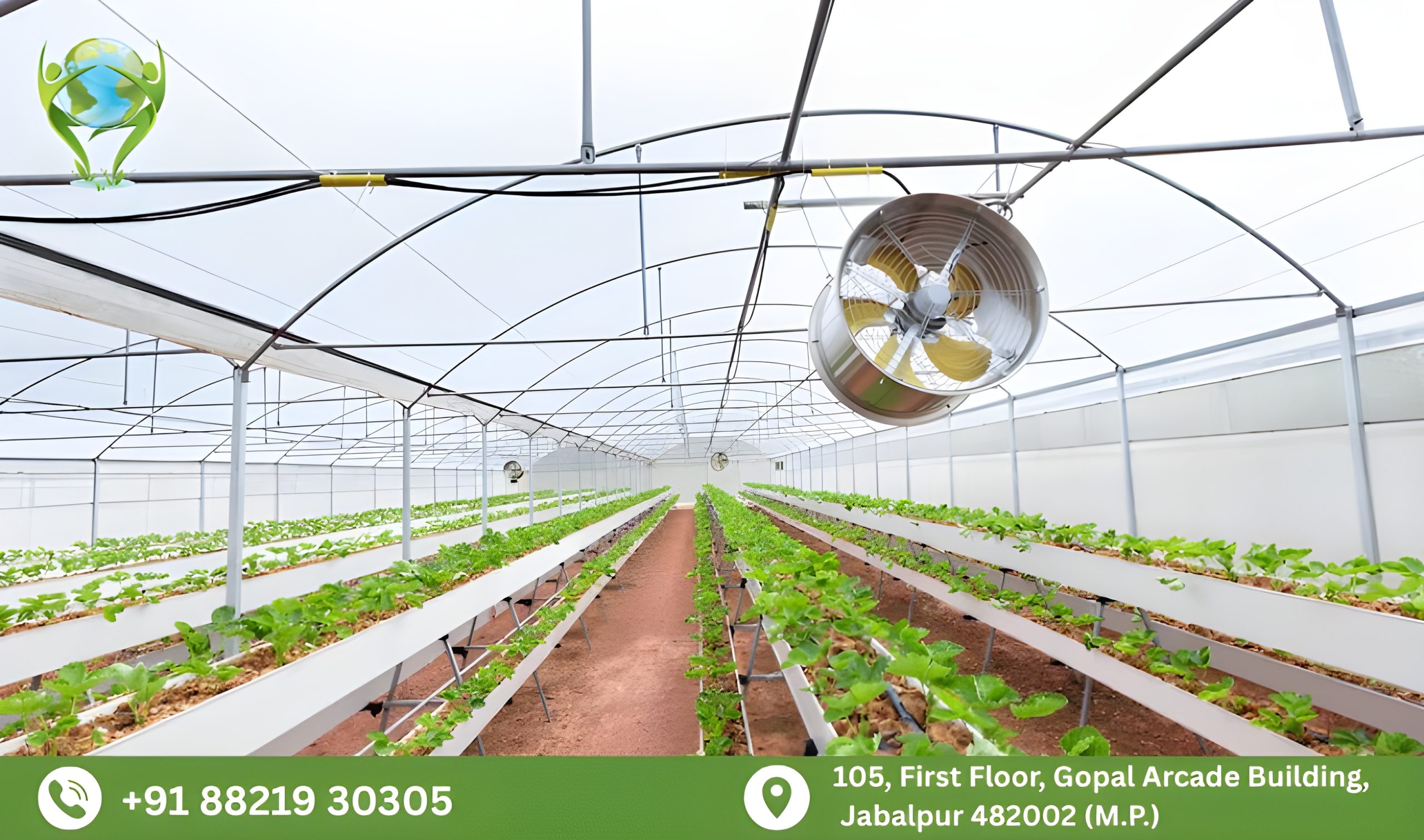
Fan and Pad Polyhouses: A Revolutionary Climate-Controlled Farming Solution
In the world of modern farming, fan and pad polyhouses are becoming increasingly popular for their ability to create optimal growing environments for crops, even in hot and humid climates. By using a cooling system that combines evaporative cooling with proper ventilation, fan and pad polyhouses ensure that crops like tomatoes, cucumbers, and flowers thrive year-round. This innovative greenhouse design has revolutionized the way farmers approach climate control in agriculture, offering a more energy-efficient and cost-effective solution than traditional methods.
How Fan and Pad Polyhouses Work
Fan and pad systems utilize a combination of cooling pads and exhaust fans to regulate temperature and humidity. The basic components include:
1. Cooling Pads:
Installed on one side of the polyhouse, these pads are kept wet and act as an evaporative cooling mechanism. As warm air passes through the wet pads, it cools down before entering the growing space.
2. Exhaust Fans:
Positioned on the opposite side of the cooling pads, exhaust fans draw out the hot air, facilitating airflow and maintaining a steady internal temperature and humidity.
3. Airflow Control:
This continuous flow of cooler air and the controlled exchange of hot air ensures that the internal environment remains ideal for crop growth, even during peak summer months.
Key Benefits of Fan and Pad Polyhouses
1. Effective Temperature Control:
The cooling system ensures a consistent temperature, preventing heat stress and creating an optimal environment for crops.
2. Increased Yield and Quality:
By maintaining stable conditions, fan and pad systems promote healthier plants, which result in higher yields and better-quality crops.
3. Energy Efficiency:
Compared to traditional air-conditioning methods, the fan and pad system is much more energy-efficient, reducing operational costs for farmers.
4. Protection from External Weather:
Fan and pad polyhouses protect crops from extreme weather conditions like high heat, rain, or wind, making them ideal for unpredictable climates.
5. Sustainability:
The system reduces water usage by recycling water through the cooling pads, ensuring water efficiency and making it suitable for water-scarce regions.
Conclusion
Fan and pad polyhouses offer an advanced, energy-efficient way to control the internal climate of greenhouses. With better temperature regulation, higher crop yields, and reduced environmental impact, these systems represent the future of sustainable farming. Whether for commercial farming or small-scale growers, fan and pad polyhouses provide a cost-effective solution for farmers looking to enhance crop production and ensure year-round harvests, no matter the weather.