


- Your cart is empty Browse Shop
Drip Irrigation: Maximizing Efficiency for Sustainable Water Management in Agriculture
As water scarcity continues to challenge agricultural practices worldwide, drip irrigation has emerged as one of the most efficient and sustainable solutions for modern farming. Unlike traditional irrigation methods, drip irrigation delivers water directly to the root zone of plants, minimizing wastage and ensuring that crops receive the precise amount of moisture they need for optimal growth. This water-efficient system is not only beneficial for conserving resources but also for increasing crop yields and improving the overall sustainability of agricultural operations.
How Drip Irrigation Works
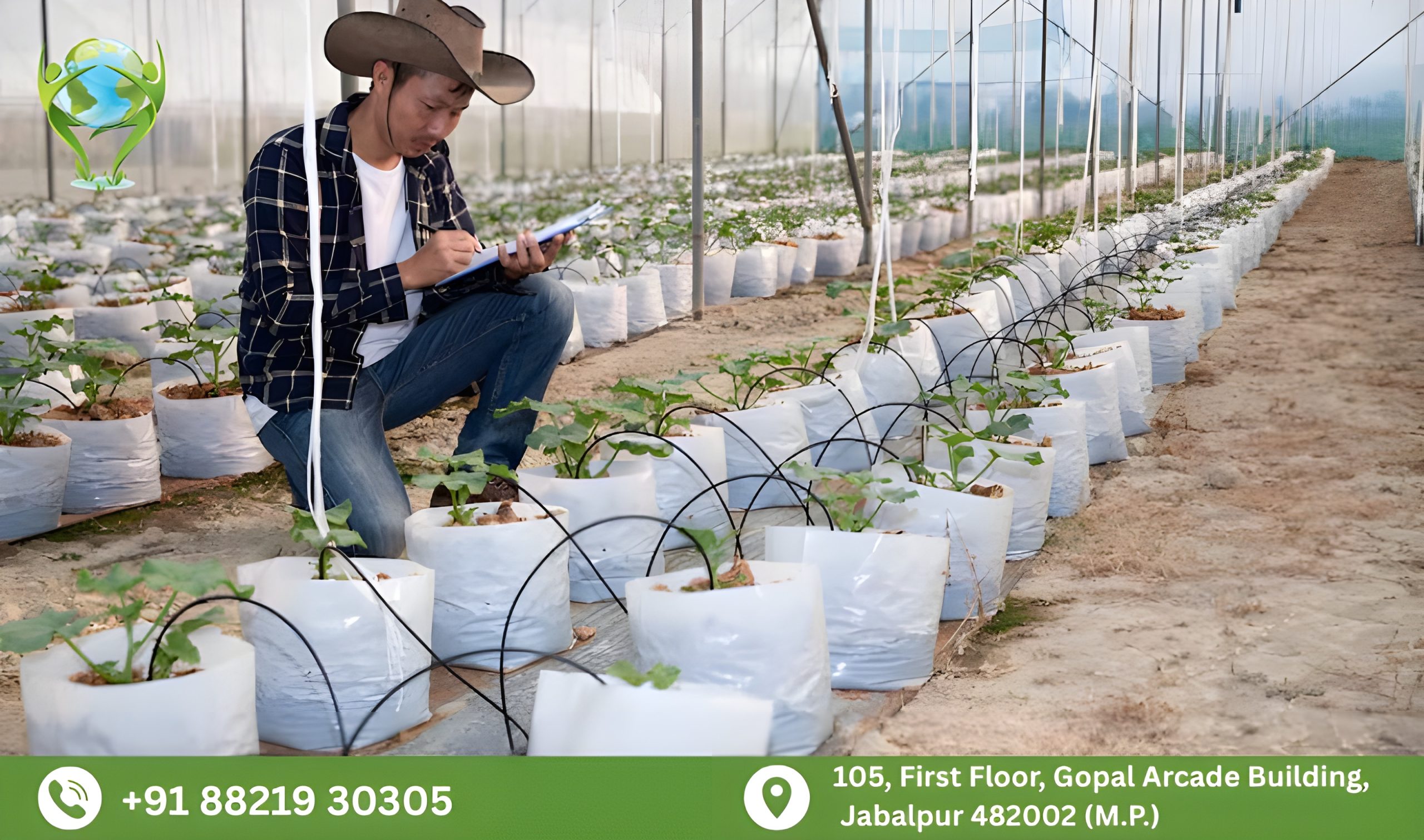
Drip irrigation uses a system of tubing, emitters, and drippers to deliver water directly to the base of each plant. Here’s how it works:
1. Mainline and Lateral Lines:
Drip irrigation uses a system of tubing, emitters, and drippers to deliver water directly to the base of each plant. Here’s how it works:
2. Emitters and Drippers:
These devices are placed near the roots of each plant, where they slowly release water in controlled amounts.
3. Water Distribution:
The system ensures that water is applied directly to the plant’s root zone, reducing evaporation and runoff compared to traditional sprinkler systems.
Key Benefits of Drip Irrigation
1. Water Conservation:
Drip irrigation uses up to 50-70% less water than conventional methods by delivering water directly to the roots, reducing evaporation and runoff.
2. Improved Crop Yield:
By providing plants with consistent, targeted moisture, drip irrigation promotes healthier growth and increases crop yield and quality.
3. Reduced Weed Growth:
Since water is applied directly to the plant roots, the surrounding soil remains dry, limiting the growth of weeds.
4. Energy and Labor Efficiency:
Drip systems are easy to automate, reducing labor costs and saving time. They also consume less energy compared to other irrigation methods, making them a cost-effective choice.
5. Nutrient Efficiency:
Drip irrigation can be integrated with fertigation, allowing fertilizers to be delivered directly to the plant roots along with water, enhancing nutrient absorption and minimizing waste.
6. Soil Preservation:
By minimizing water contact with the soil surface, drip irrigation reduces soil erosion and compaction, promoting healthier soil structure.
Conclusion
Drip irrigation is a game-changer for sustainable farming practices, offering a range of benefits from water conservation to improved crop yield. As the demand for efficient, eco-friendly farming solutions continues to rise, drip irrigation provides an effective method for farmers to optimize water usage, boost productivity, and ensure the long-term sustainability of their operations. With its potential for cost savings and environmental benefits, drip irrigation is set to play a pivotal role in the future of agriculture.