


- Your cart is empty Browse Shop
Our Products
Protect seed diversity for future farming
Protecting seed diversity ensures resilient crops, sustainable agriculture, and food security for future generations.
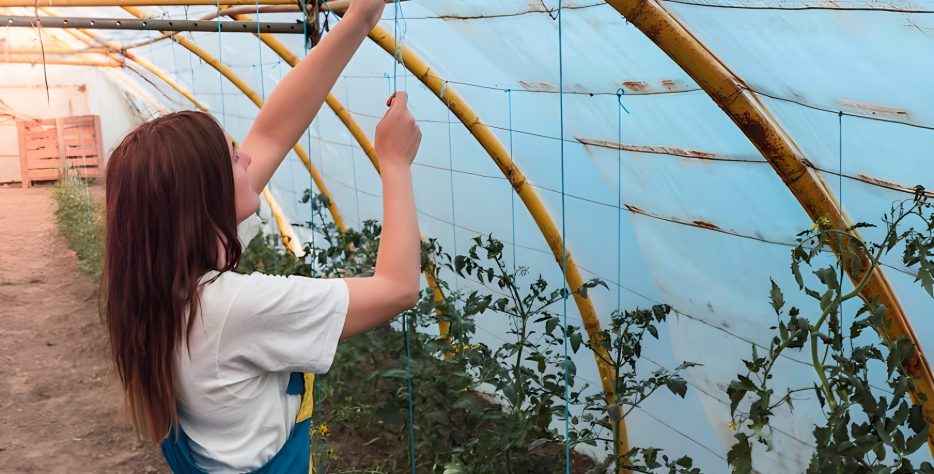
Shadenet House
A Shade Net House is a type of agricultural structure designed to protect crops from excess sunlight and harsh weather conditions. Using a specially designed shade net, these structures provide partial protection from direct sun while still allowing ample natural light and air circulation. Shade net houses are widely used for growing sensitive crops such as vegetables, fruits, and flowers, as well as for nursery cultivation and horticulture.
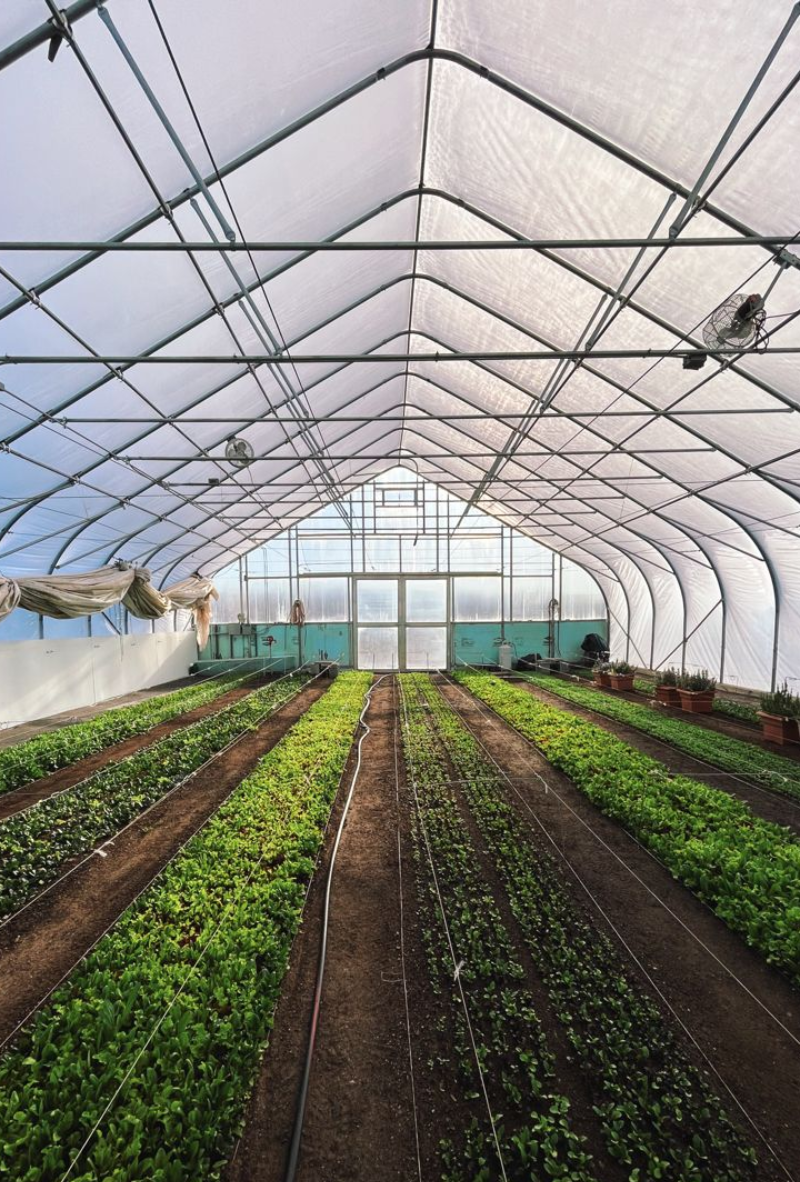
How It Works
Shade net houses are constructed with a framework of metal or wood, which supports the shade netting. The netting is available in various densities, allowing farmers to control the amount of sunlight that penetrates the structure. The netting also helps to reduce wind speed, protects against hail and rain, and minimizes the risk of pest and disease attacks.
Key Benefits of Shade Net Houses
Shade net houses provide controlled sunlight for sensitive crops, preventing sunburn and heat stress while still allowing essential light for growth. They improve crop health and yield by maintaining an optimal temperature and humidity level. These structures offer protection from harsh weather conditions such as hail, wind, and heavy rain, reducing crop damage. Additionally, shade nets help control pests and diseases, minimizing the need for pesticides. They also enhance water efficiency by reducing evaporation, leading to better irrigation management. Overall, shade net houses support sustainable agriculture and increased productivity.