



- Your cart is empty Browse Shop
Protect seed diversity for future farming
Protecting seed diversity ensures resilient crops, sustainable agriculture, and food security for future generations.
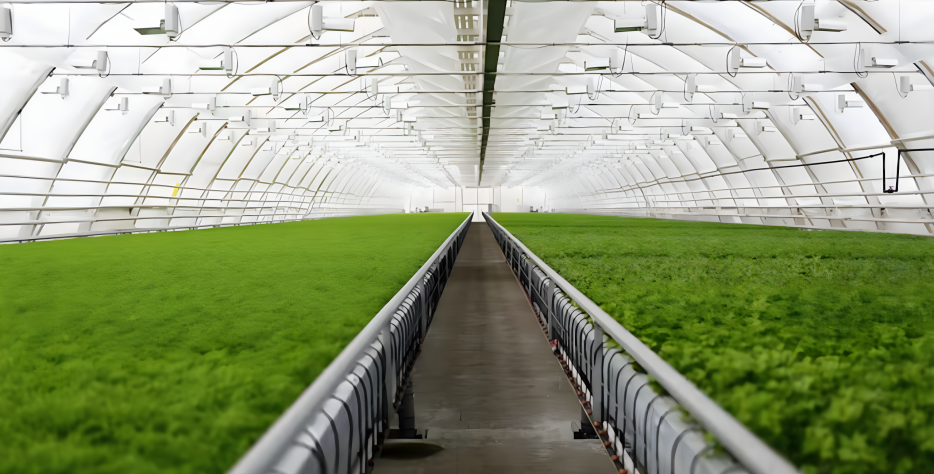
Naturally Ventilated Poly House
In recent years, the agricultural industry has seen a significant shift toward innovative techniques that improve efficiency, sustainability, and crop yield. One such innovation is the Naturally Ventilated Poly House, a game-changing solution for climate-controlled farming. By optimizing airflow and temperature regulation, poly houses help create an ideal environment for crops, reducing the need for energy-intensive systems. This method supports both environmental sustainability and economic profitability, making it a vital tool for modern farmers.
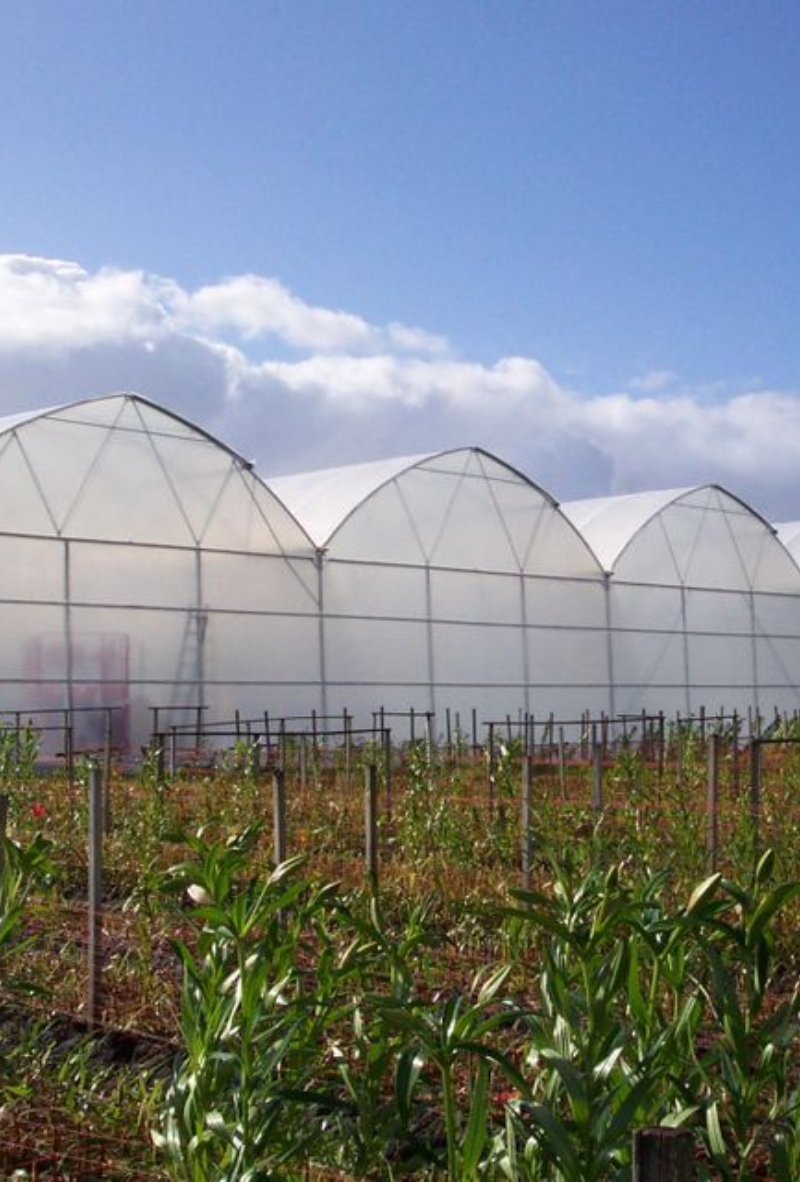
What is a Naturally Ventilated Poly House?
A naturally ventilated poly house is a type of greenhouse structure that uses polyethylene plastic (poly) to cover the frame, allowing natural light to penetrate while maintaining an optimal internal environment for plant growth. The unique feature of this poly house is its natural ventilation system, which relies on airflow through openings and vents rather than mechanical cooling and heating systems.
Benefits of a Naturally Ventilated Poly House
Naturally ventilated poly houses are energy-efficient, reducing reliance on artificial cooling. They provide optimal growth conditions, improving crop health and yield. These structures support sustainable farming practices by reducing water waste and pesticide use, offering a cost-effective solution that boosts profitability while minimizing environmental impact.