



- Your cart is empty Browse Shop
Naturally Ventilated Poly Houses: The Future of Sustainable Agriculture
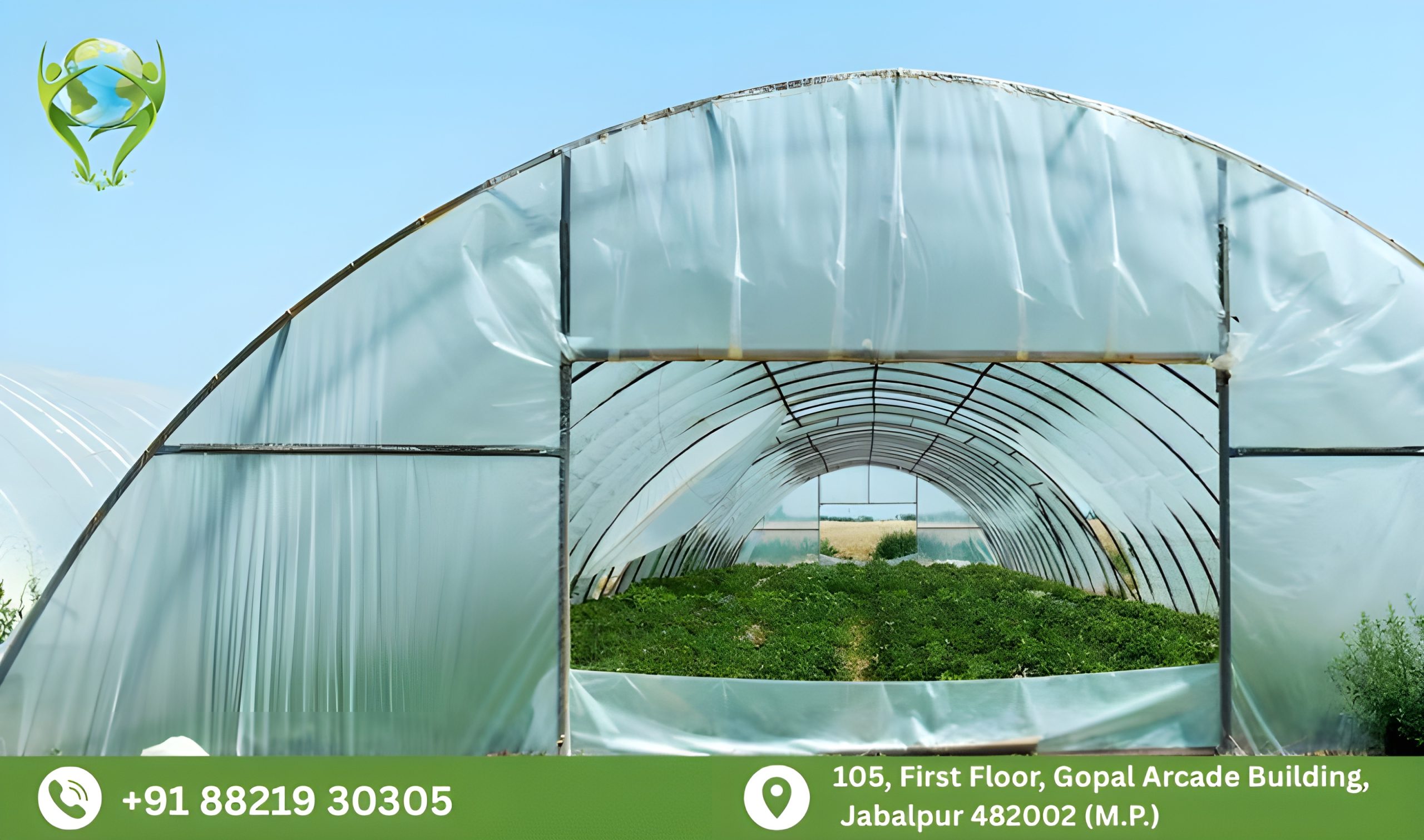
Naturally ventilated poly houses are transforming the way we approach farming by offering an eco-friendly, cost-effective solution to controlled environment agriculture. These structures use polyethylene plastic to cover a frame, creating a greenhouse environment that promotes optimal crop growth. What makes them unique is their natural ventilation system, which maintains ideal temperature and humidity levels using airflow rather than energy-consuming mechanical systems. This method aligns perfectly with the growing demand for sustainable agriculture practices.
Key Features of Naturally Ventilated Poly Houses
1. Polyethylene Covering:
The transparent plastic covering allows sunlight to penetrate, while maintaining insulation to control the internal temperature.
2. Natural Ventilation:
Vents placed on the roof and sides of the structure allow hot air to escape and fresh, cooler air to enter, ensuring continuous airflow and temperature regulation.
3. Climate Control without Energy:
Unlike traditional greenhouses that rely on fans or air conditioners, naturally ventilated poly houses use passive cooling techniques, making them highly energy-efficient.
4. Shading and Cooling Systems:
Shading nets can be added to further protect crops from excessive heat, while integrated irrigation systems reduce water wastage.
Key Benefits of Naturally Ventilated Poly Houses
1. Energy Efficiency:
The lack of reliance on mechanical cooling reduces energy costs significantly, making it an affordable option in the long term.
2. Improved Crop Yield:
These poly houses create a stable growing environment, helping crops like tomatoes, cucumbers, and herbs grow faster and more healthily.
3. Sustainability:
Naturally ventilated poly houses promote organic farming by reducing chemical dependency and water usage. The controlled environment leads to fewer pests and diseases, cutting down the need for pesticides.
4. Cost-Effective:
With low setup and maintenance costs, these poly houses provide high returns on investment by increasing yield while saving on energy and water.
5. Climate Resilience:
These structures are adaptable to varying climates, protecting crops from external weather fluctuations, ensuring year-round productivity.
Conclusion
Naturally ventilated poly houses represent a sustainable, cost-effective solution for modern farming. They provide ideal growing conditions for high-value crops, reducing costs and improving crop yields while also promoting environmentally friendly farming practices. Investing in naturally ventilated poly houses can help farmers achieve greater productivity, lower operational costs, and contribute to a more sustainable agricultural future.