


- Your cart is empty Browse Shop
Our Products
Protect seed diversity for future farming
Protecting seed diversity ensures resilient crops, sustainable agriculture, and food security for future generations.
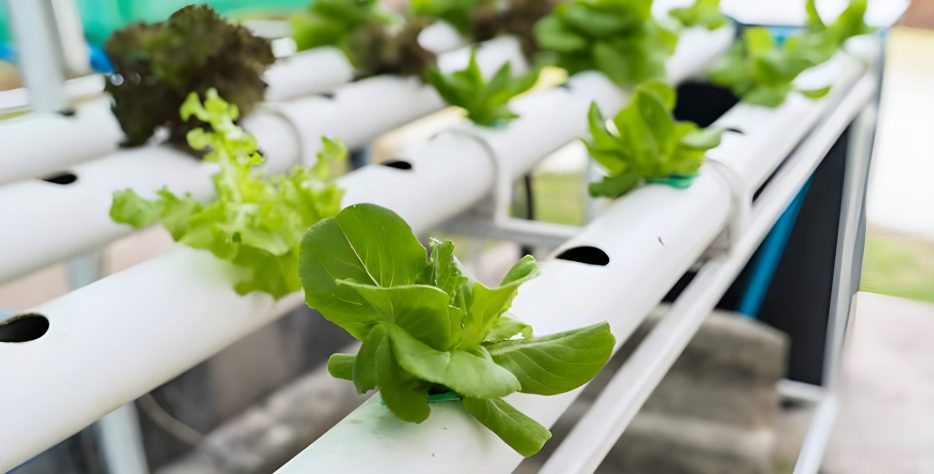
Hydroponics
Hydroponics is a method of growing plants without soil, where nutrients are delivered directly to the plant roots through a water-based solution. This soil-less cultivation technique provides an alternative to traditional farming, offering faster growth, higher yields, and efficient use of space and resources. Hydroponics is gaining popularity for growing various crops, including leafy greens, herbs, tomatoes, and strawberries, especially in urban environments or regions with poor soil quality.
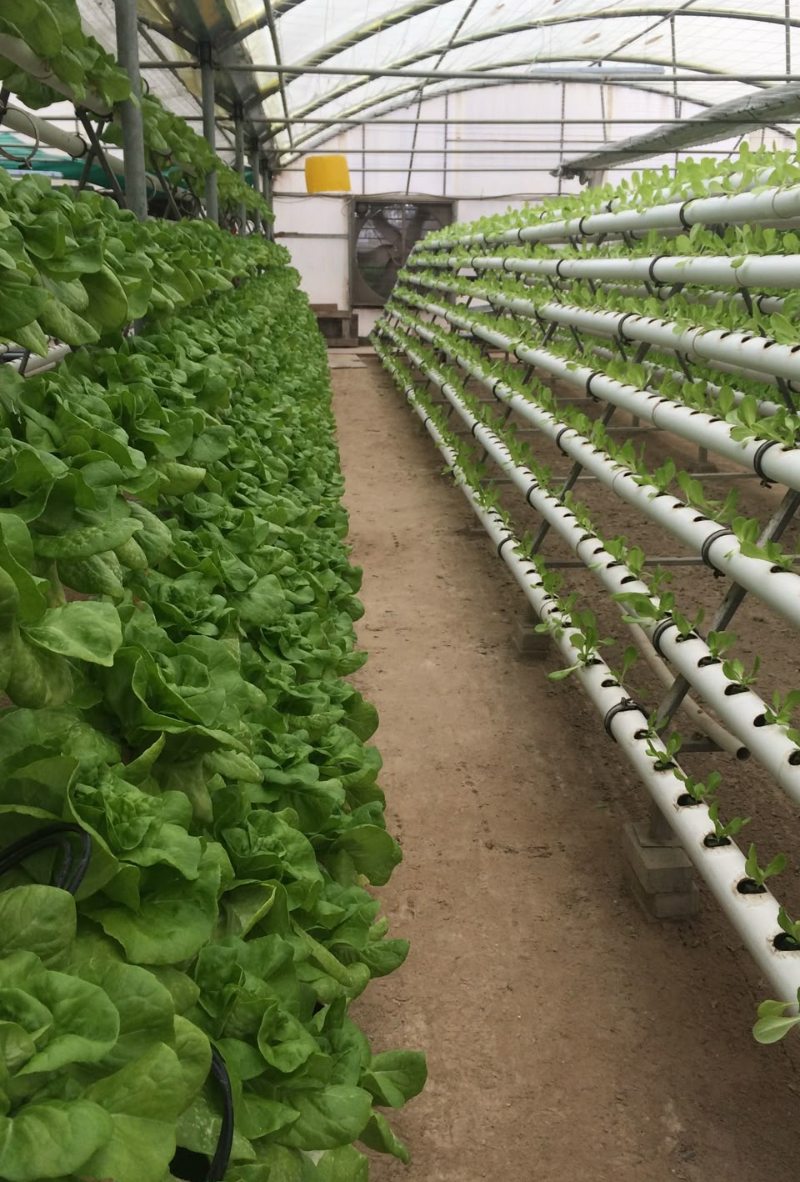
How It Works
In a hydroponic system, plants are supported by an inert medium like perlite, coconut coir, or hydroton rather than soil. The roots are submerged or misted with a nutrient-rich water solution that provides essential minerals like nitrogen, phosphorus, and potassium. There are different hydroponic methods, including Nutrient Film Technique (NFT), Deep Water Culture (DWC), aeroponics, and wick systems, each offering various benefits for specific crops.
Key Benefits of Hydroponics
Hydroponics offers water efficiency, using up to 90% less water than traditional farming by recycling the nutrient solution. It allows for space efficiency, enabling vertical farming and high-density crop production in small areas, ideal for urban environments. Plants grow faster and produce higher yields due to optimal nutrient delivery. The system also reduces the need for pesticides, supporting organic farming practices. Hydroponics enables year-round production, free from environmental constraints like soil quality and weather, and provides precise nutrient control, ensuring healthier, nutrient-dense crops. Overall, hydroponics promotes sustainable, efficient farming in challenging conditions.